

60-ton Manual Coupling Winches for River Convoy Operations
Context & challenge
A major inland waterway operator needed a robust breasting/coupling winch solution for a pushed convoy. Key constraints: very high holding loads, operator safety, and compatibility with a newly built pusher boat.
Solution & execution
ILC supplied:
- 3 manual coupling winches (60-ton holding),
- 2 right-hand + 1 left-hand configuration,
- custom interfaces adapted to the new vessel’s structure.
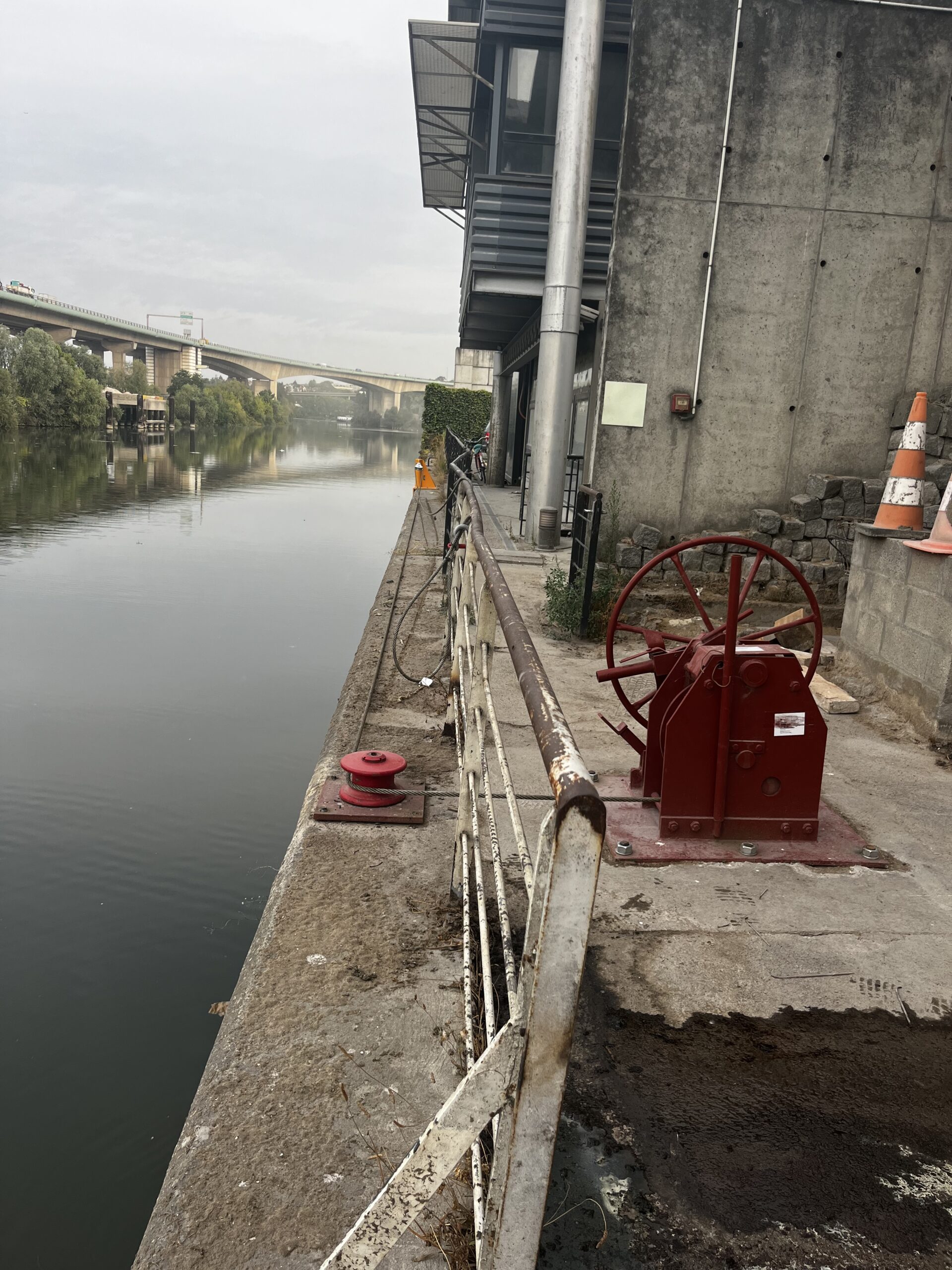
Each unit features a reinforced handwheel and a heavy-duty ratchet holding system.
Key technical challenges
- Extreme holding capacity (60 tons).
- Safe manual operation in wet environments.
- Mechanical adaptation based on new boat drawings.
These winches will soon be installed on a new pusher.
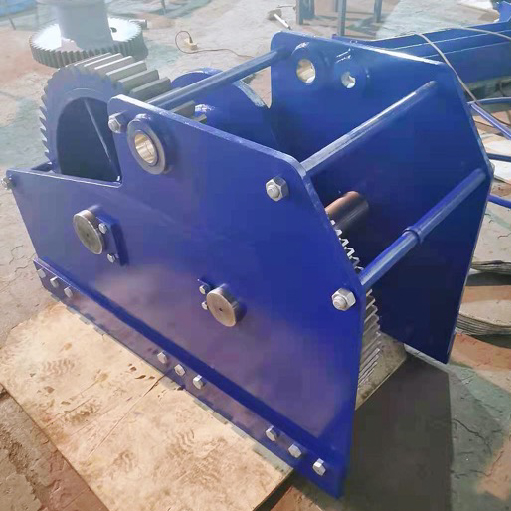
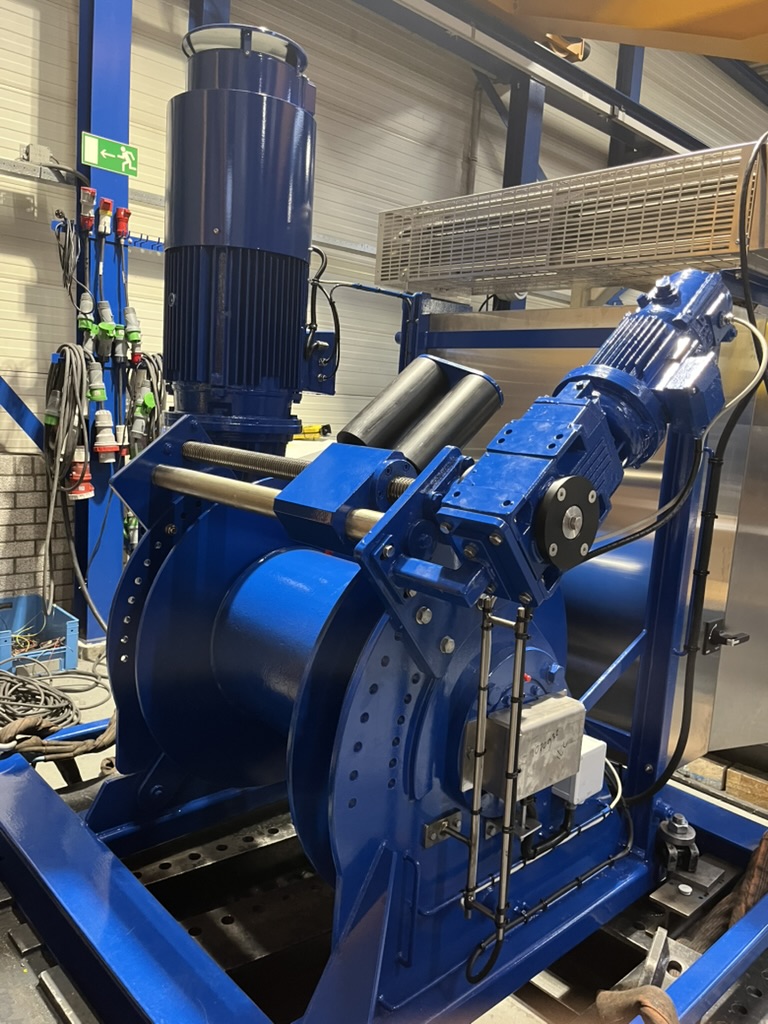
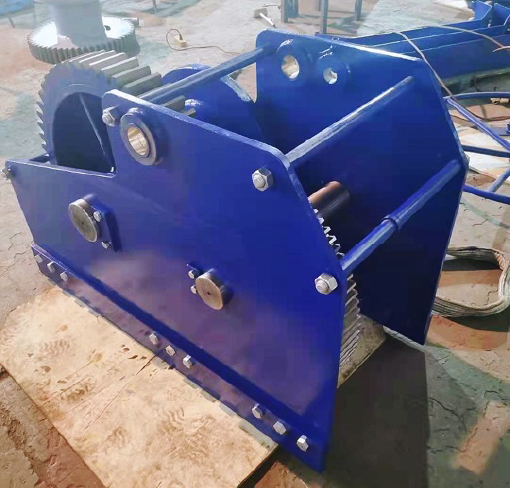
View of winches in production
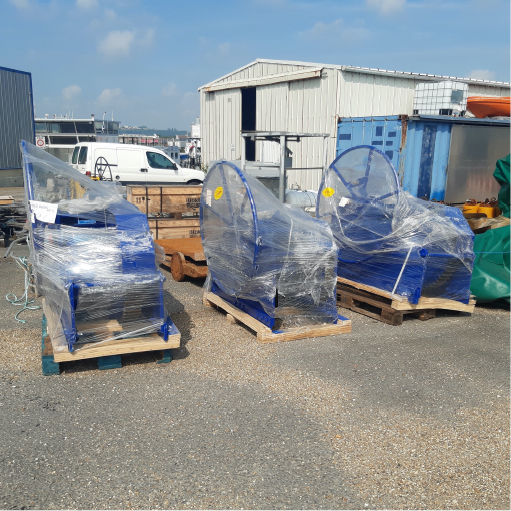
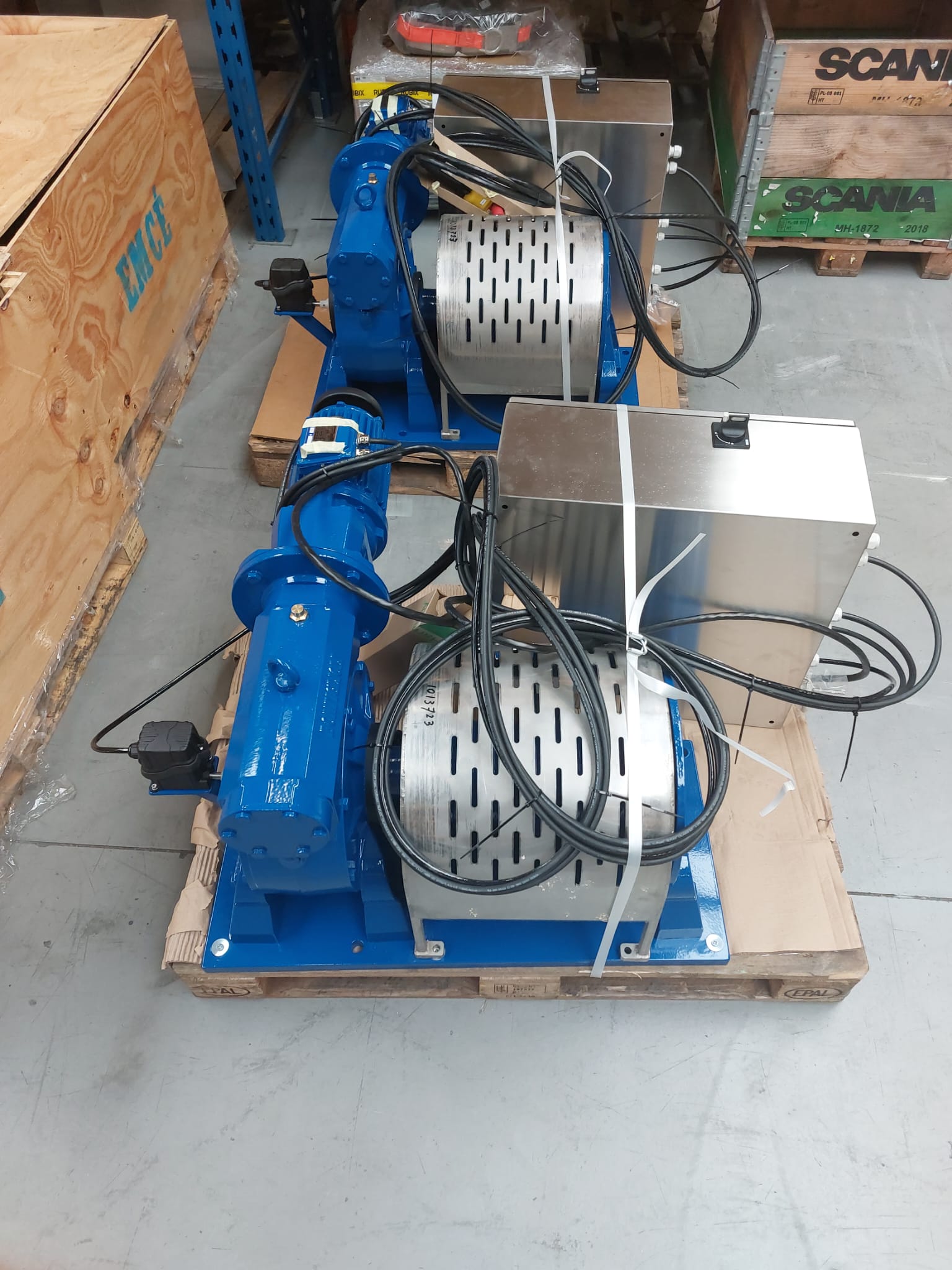
View of winches delivered to the customer
Lashing winch
What is a lashing winch?
Hauling and lashing consist of moving a barge using manual winches for its positioning, towing or mooring.
The technical feature of a manual lashing winch is that it has a handwheel operated manually by the operator, allowing the cable to be wound onto the drum. A retaining ratchet system prevents the cable from unwinding. A wide range of winches is available, from a few tonnes to more than 100 tonnes of brake holding.
Coupling winch
What is a coupling winch?
A coupling winch can be operated by hand (a pulling device that tensions a steel cable by turning a crank), or motorised (a pulling device that tensions a steel cable by means of motorised equipment).
Coupling winches are generally used to assemble inland navigation vessels into pushed convoys or longitudinal side-by-side formations by means of steel cable connections. The coupling winch makes it possible to stably maintain the positioning of the coupled vessels.